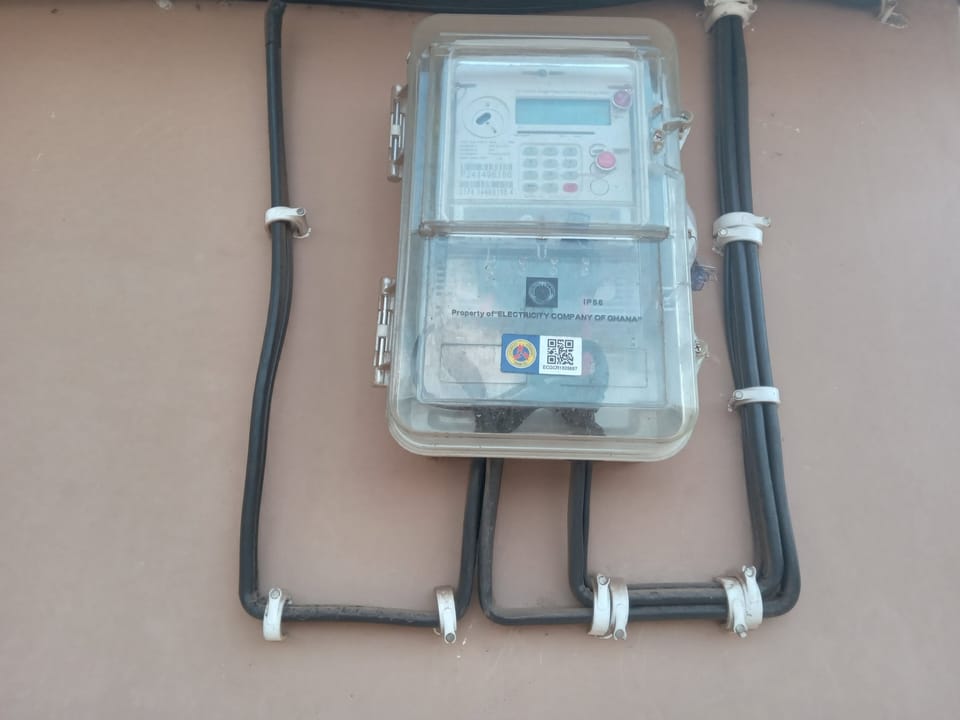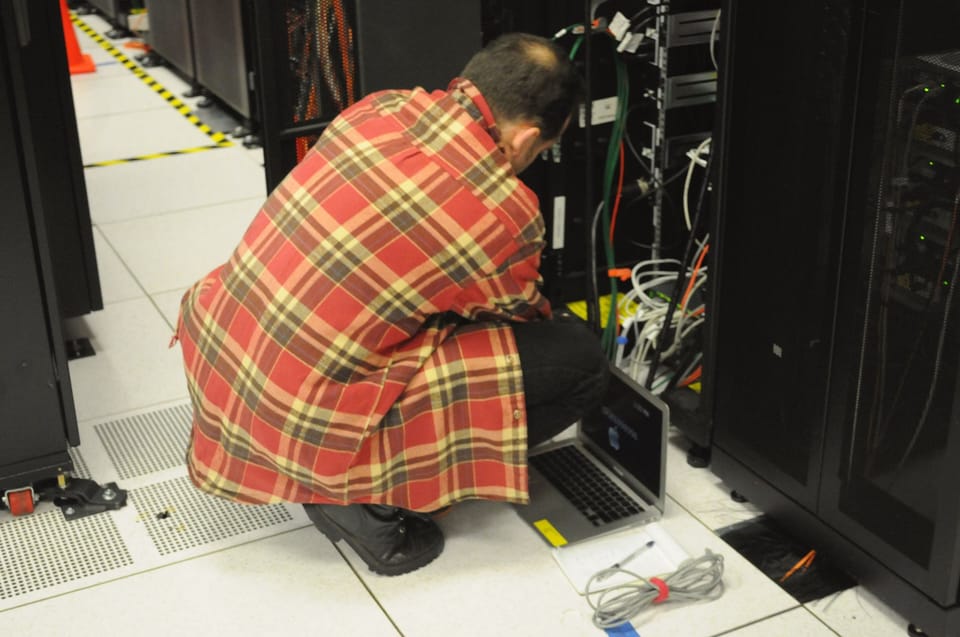
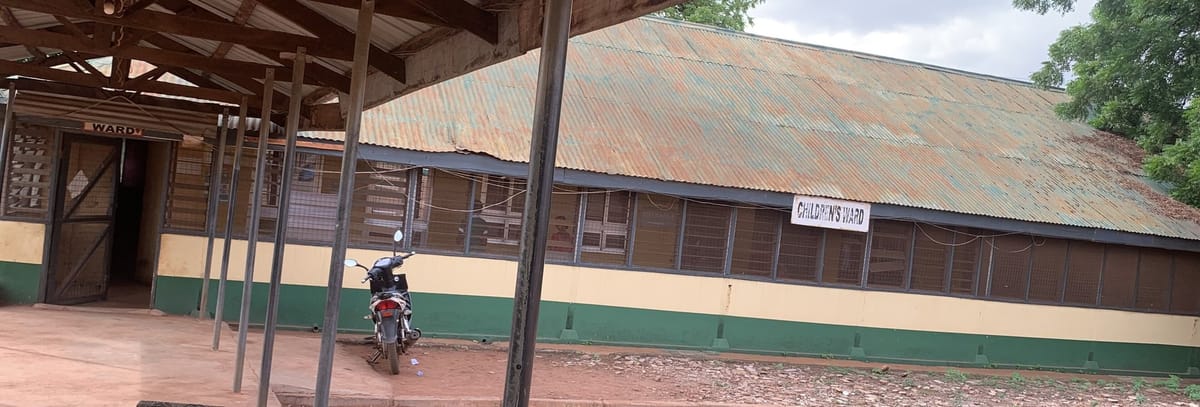
Since 29 October 2026, many of the Ghana Health Service’s (GHS) digital systems have been offline. An internal memo from the GHS Director-General, Dr Samuel Kaba Akoriyea, dated 2 November, says the cloud provider Akamai switched off all 10 servers on the GHS account over “unresolved administrative matters”. Here is what is affected and what it means for you.
What went offline
- DHIMS2, the national health information reporting system (data entry, validation, analysis and reports)
- The Planning and Budget Management Information System
- eTracker, the Family Planning and Health Care platform and the Non-Communicable Disease tracker (web)
- HIV and tuberculosis trackers and the ISRS sample tracker (web access and lab integration)
- The National Malaria Data Repository, inpatient morbidity and mortality reporting, SMS alerts and the Community Health Information Management portal
- The data gateway that sends birth notifications to the National Identification Authority and the Births and Deaths Registry
What still works
Several Android apps (eTracker, Family Planning, the NCD tracker and the HIV, TB and ISRS trackers) can still be used offline, and facilities have gone back to paper registers and monthly summaries so the data can be entered once the systems return.
Is patient data safe?
“There has been no security breach, and no data has been lost.” – Dr Samuel Kaba Akoriyea, GHS Director-General, as reported
The GHS says every system has nightly encrypted backups stored outside the suspended account, current to 29 October.
What it means for you
| If you are… | What to expect |
|---|---|
| A patient | You can still be seen. Expect paper forms and possibly slower processes at some facilities. |
| A new parent | Birth notifications to NIA and the Births and Deaths Registry are disrupted. Keep your hospital’s birth notification paper safe; you will need it to register the birth. |
| A health worker | Keep paper registers complete; October and November data will be entered into DHIMS2 later. |
| On HIV/TB treatment | Your care continues. Ask your clinic if appointments or SMS reminders are affected. |
The money, and the politics
Reports say the GHS is seeking ministerial approval to pay US$64,510.95 to restore the account. The Ministry of Health’s spokesperson said the payment had been delayed by an ongoing investigation. The Minority in Parliament has called for an independent audit of Ghana’s digital health infrastructure and hosting arrangements. This comes after a separate dispute over the LHIMS hospital system, which the Health Ministry says will be replaced by a new government-built system (GHIMS).
When will it be fixed?
- Fastest: pay the outstanding bill to reinstate the existing account, which restores everything without rebuilding. The GHS says it is finalising arrangements with Akamai.
- Alternative: buy new servers and rebuild from backups, which could take up to six weeks after capacity is in place.
- Later: the GHS plans a controlled move to a Ghana-based hosting provider, with a parallel run and funded backup, so this doesn’t happen again.
The lesson for everyone
Cloud services are rented, not owned. Whether you are a hospital, a school or a small business, keep your own backups, track renewal dates and budget for hosting. If the bill isn’t paid, the provider can switch you off.
Related on Chale.tech
- How to link your Ghana Card to NHIS
- How to renew NHIS on your phone
- Your rights under Ghana’s Data Protection Act
This explainer reflects official statements and news reports up to 10 November 2026. We will update it as things change.
Common questions
Why did the GHS systems go offline?
The cloud hosting provider, Akamai, deactivated the 10 servers on the GHS account on 29 October 2026 over unresolved administrative matters. GHS is seeking approval to pay US$64,510.95 to restore the account.
Was patient data lost or hacked?
The GHS Director-General said there was no security breach and no data was lost. Nightly encrypted backups are stored outside the suspended account.
Can I still get treatment at a hospital?
Yes. Facilities have switched to paper registers. The affected systems are mainly for reporting, tracking and data exchange.
Is my NHIS affected?
The reported outage concerns GHS systems such as DHIMS2 and the trackers. If you have trouble with NHIS at a facility, ask the facility or call NHIA.
When will the systems be back?
No firm date was given. Paying the bill would restore everything; rebuilding on new servers could take up to six weeks.