Most Ghanaians now have more than one way to pay: a mobile money wallet, a bank account with an app, maybe a debit card. Each has strengths. Using the right one for each job can save you money and stress.
This guide compares them by what matters day to day. We have not listed specific fees, because providers change them; your confirmation screen or your provider’s official tariff page shows the current charge.
Mobile money: best for everyday payments to people
Good for: sending money to family and friends, paying small traders and transport, buying airtime and bundles, paying bills, and anyone without a bank account.
- Works on any phone, including basic phones, through USSD.
- Accepted almost everywhere, from markets to big shops, through merchant numbers and QR codes.
- Connects to other networks and banks through Ghana’s interoperability system.
- Watch out for: cash-out charges, which are often where people pay the most, and wallet limits on how much you can hold or send.
Bank app: best for bigger amounts and records
Good for: salary, rent, school fees, business payments, savings, and anything you need a clear record of.
- Higher limits for large transfers.
- Proper statements you can use for loans, visas or business records.
- Interest-earning savings options in many banks.
- Can send to mobile money wallets as well as other banks.
- Watch out for: account maintenance fees, and the need for a smartphone or internet banking for the app.
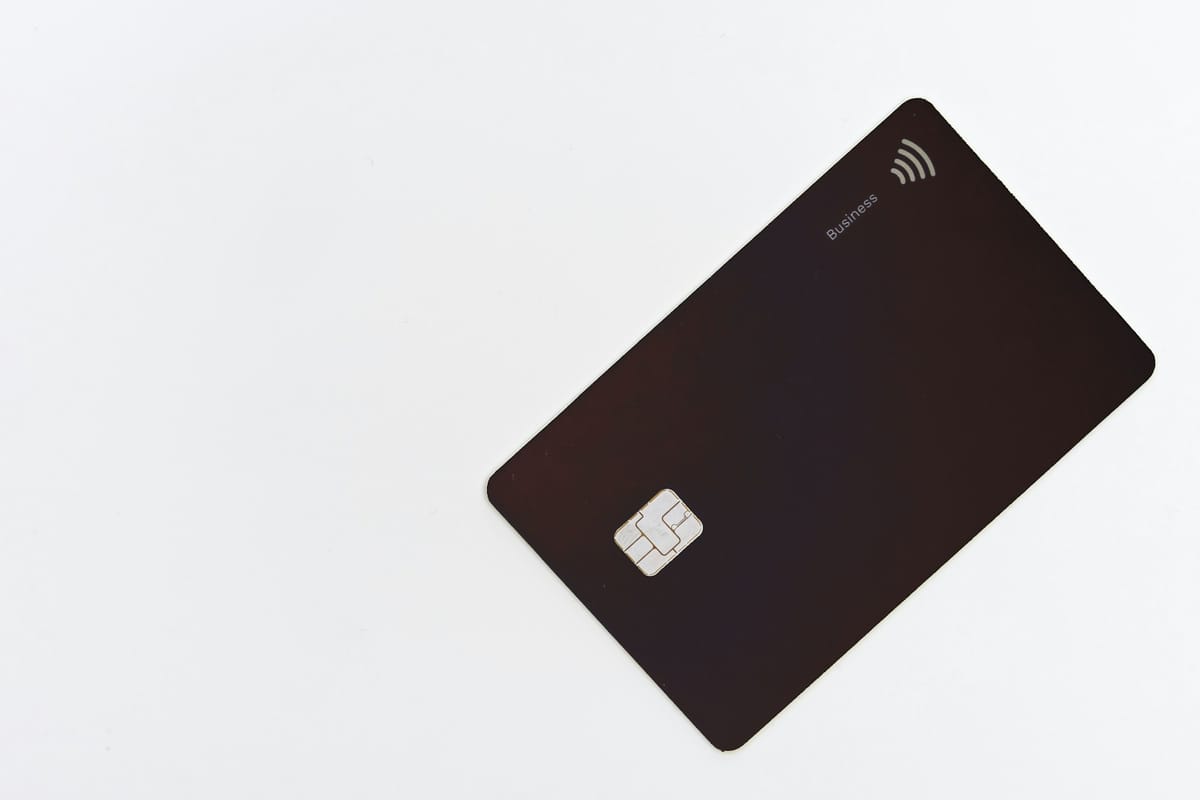
Debit card: best for online shopping and travel
Good for: paying online, international subscriptions, using ATMs, paying at card machines, and travelling abroad.
- Works internationally on websites and abroad (check your card is enabled for this).
- Card payments at shops often avoid cash-out costs.
- Watch out for: card fraud online. Only use your card on trusted sites, never share the 3-digit security code or OTP, and turn on transaction alerts. Check foreign transaction charges with your bank before travelling.
Quick guide: which one when?
- Sending GH₵50 to your sister: mobile money.
- Paying the trotro, market or chop bar: mobile money or a merchant QR code.
- Paying rent or school fees: bank transfer, for the record.
- Netflix, app stores or buying from abroad: debit card (or a virtual card if your bank or wallet offers one).
- Saving for something big: a bank savings account or a savings product inside your wallet, rather than leaving it in your everyday wallet.
- Paying a business: ask for their merchant number or bank details, so the payment is recorded.
Save on charges
- Pay directly instead of cashing out. Paying a merchant from your wallet is often cheaper than withdrawing cash to pay them.
- Batch your transfers. Several tiny transfers can cost more than one larger one, depending on the fee bands.
- Check the fee on the confirmation screen before you approve. It is shown for a reason.
- Compare. Fees differ between providers and between in-network and cross-network sends.
The cheapest payment is often the one where nobody has to touch cash.
This guide was checked in October 2026. Menus and services change, so if something looks different on your phone, check with your provider.
Common questions
Is it safe to keep large amounts in my MoMo wallet?
Wallets have limits and are designed for everyday payments. For larger savings, a bank savings account or a dedicated savings product is usually more suitable.
Can I pay online with mobile money?
Many Ghanaian online shops and services accept mobile money at checkout. For international sites, a debit card or a virtual card is usually needed.
What is a virtual card?
A virtual card is a card number for online payments, issued by some banks and fintech apps, that you can often fund and limit separately from your main account.
Which is cheapest?
It depends on the transaction and the provider’s current fees. Paying directly from your wallet or bank usually costs less than withdrawing cash first. Check the fee shown before you confirm.