Online scams in Ghana are rising fast. The Cyber Security Authority (CSA) reported 720 cases of online fraud in the first three months of 2026, more than double the same period in 2025, according to news reports of its Easter advisory. Most scams follow a handful of scripts. Learn them, and you will spot most attempts.
1. The fake online shop
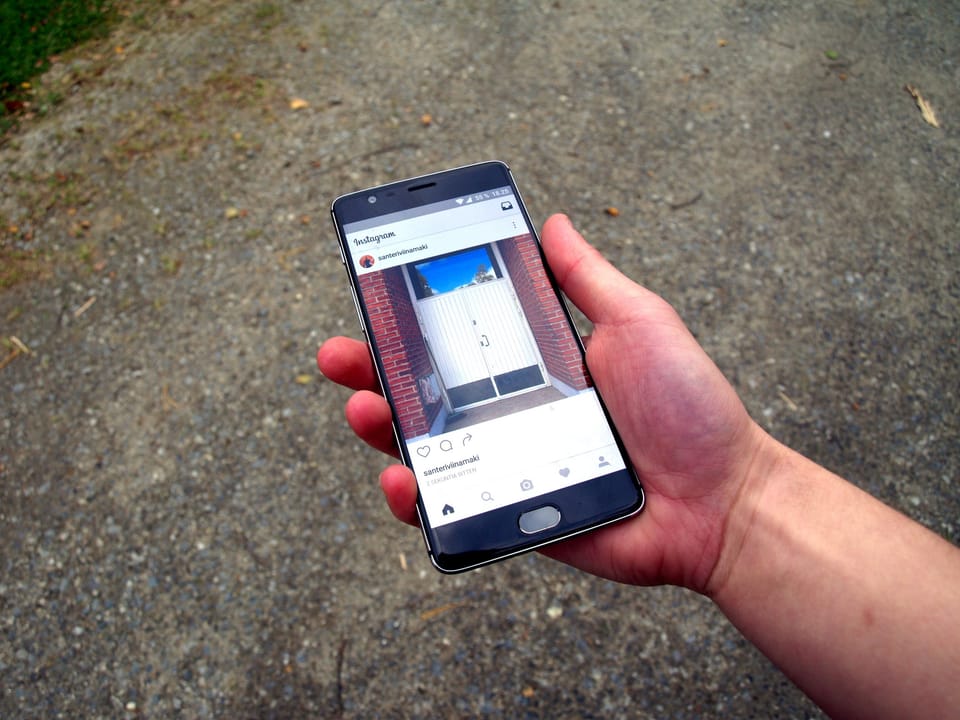
A slick Instagram or Facebook page, prices well below the market, and a request to pay upfront by MoMo. The goods never arrive. CSA red flags: unrealistically low prices, payment to personal wallets that do not carry the shop’s name, demands for advance payment, and sellers with little or no review history. See how to avoid online shopping scams.
2. The hijacked WhatsApp account
A friend’s account messages you asking for urgent money, or for a six-digit code “sent by mistake”. The CSA has warned of a rise in WhatsApp account takeovers. Call your friend on their usual number before doing anything. See WhatsApp account hacked: what to do.
3. Phishing links
Messages that pretend to be from a bank, network, delivery company or government agency, with a link to “verify”, “unblock” or “claim”. The link leads to a fake page that steals your password or card details. See how to spot phishing messages.
4. Fake investment platforms
Apps and groups promising daily returns and bonuses for recruiting. SEC Ghana named 23 such unlicensed schemes in July 2026. See how to spot a fake investment platform.
5. Mobile money tricks
Fake payment alerts, “wrong transfer” calls and fake customer care. See how to spot a mobile money scam.
6. Fake jobs and visas
Jobs abroad or online “tasks” that need an application, training or processing fee first. Genuine employers do not charge you to hire you.
7. Romance and sextortion
Someone builds a relationship online, then asks for money, or tricks you into sharing intimate images and threatens to publish them. The CSA has warned about a surge in online blackmail and extortion. Do not pay; report it.
8. Brand impersonation on search and maps
Fake customer care numbers placed on Google Maps or in search results, so that when you search for a company’s number, you call a scammer. The CSA named this tactic in 2026. Get numbers from the company’s official website or app.
The common thread
- Urgency: you must act now.
- Secrecy: do not tell anyone.
- A request for money, a PIN, a code or a password.
- An offer too good to be true.
This guide was checked in October 2026. Menus and services change, so if something looks different on your phone, check with your provider.
Common questions
What is the most common online scam in Ghana?
The Cyber Security Authority says online fraud makes up the largest share of incidents, with fake online shops, phishing and WhatsApp account takeovers among the main tactics.
Where do I report an online scam in Ghana?
Call or text 292, WhatsApp 0501603111 or email report@csa.gov.gh (Cyber Security Authority), and report to the police.
How do I know if a WhatsApp message from a friend is a scam?
If they ask for money or a code, call them on their usual number before doing anything. Hijacked accounts are a common trick.
Is it safe to buy from Instagram and Facebook sellers?
It can be, but the CSA advises paying only after you receive and inspect the goods, and checking that MoMo payments go to a wallet in the shop’s name.
Sources
- Cyber Security Authority: Online shopping scam advisory (CSA/CERT/MPA/2025-11/01, November 2025)
- Cyber Security Authority: Surge in online blackmail and extortion cases
- NewsGhana: CSA records 113% surge in online fraud, warns Ghanaians ahead of Easter (April 2026)
- SEC Ghana: Public notice, list of entities operating without a licence (SEC/PN/002/07/2026, 22 July 2026)
- Cyber Security Authority Ghana