AI voice tools can read your script aloud in a natural-sounding voice. Creators use them for explainer videos, adverts, audiobooks and training materials.
Uses that work well
- Voice-overs for YouTube explainers and tutorials.
- Short adverts for WhatsApp status and social media.
- Reading lesson notes aloud for students.
- Accessibility: turning articles into audio.
Tools to try
- Built-in options: CapCut and Canva have text-to-speech voices inside the video editor.
- ElevenLabs and similar services offer realistic voices with free tiers and paid plans.
- Your phone: Android and iPhone can read text aloud (accessibility settings), useful for drafts.
How to get natural results
- Write the way people speak: short sentences.
- Add punctuation for pauses.
- Spell out tricky names phonetically (“Kwaku” may need “Kwah-koo”).
- Listen back and regenerate lines that sound off.
- Add music quietly underneath.
Ghanaian voices and languages
Most tools offer American, British, Nigerian or Kenyan English; Ghanaian English accents and local languages are limited. Local projects such as GhanaNLP’s Khaya work on Twi, Ga, Ewe and other languages. Recording your own voice is often more authentic for Ghanaian audiences.
Related: AI video generators for creators and use AI tools for YouTube.
A simple workflow for a YouTube explainer
- Write the script (AI can help draft; you check facts).
- Generate the voice-over in short paragraphs so you can redo parts.
- Download the audio and import it into CapCut or Canva.
- Add visuals, captions and quiet background music.
- Listen through once on earphones before publishing.
Free vs paid
Free plans usually limit characters per month, voices or commercial use, and some add attribution requirements. If you earn from the content, read the licence and consider a paid plan that allows commercial use.
When to use your own voice instead
- Personal vlogs and opinion videos: viewers want to hear you.
- Content in Twi, Ga, Ewe or Pidgin, where AI voices sound unnatural.
- Adverts for local audiences, where trust matters.
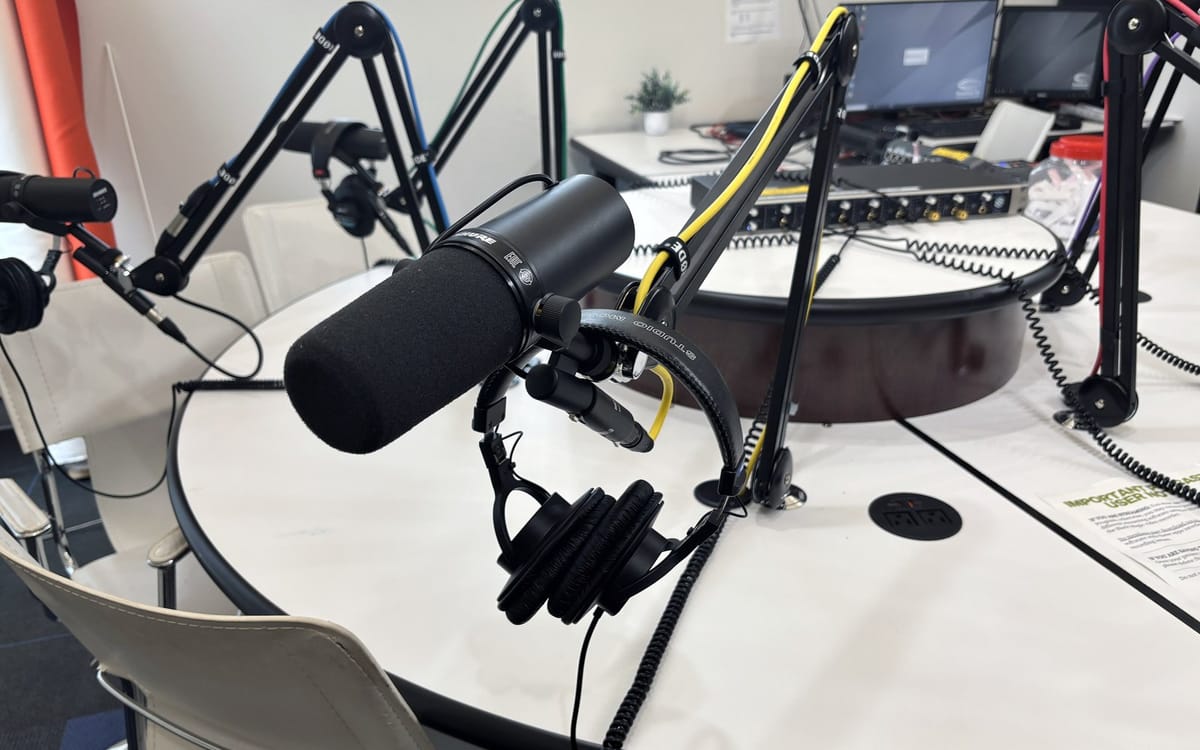
Good audio on your own voice needs only a quiet room and a cheap clip-on microphone.
This guide was checked in October 2026. Menus and services change, so if something looks different on your phone, check with your provider.
Common questions
What is an AI voice generator?
A tool that turns written text into spoken audio (text-to-speech), sometimes in many voices and languages.
Can AI voices speak Twi or Ga?
Support for Ghanaian languages is limited. Some local projects (such as GhanaNLP) work on them; most big tools focus on English and major languages.
Is it legal to clone someone’s voice?
Only with their clear permission. Cloning voices without consent can be fraud and is used in scams.
Can I monetise videos with AI voices on YouTube?
YouTube requires original, valuable content. Low-effort, repetitive AI narration can be demonetised.